Trezor Login Explained: Secure Access to Your Cryptocurrency Wallet
Trezor login refers to the method used to access cryptocurrency wallets through a Trezor hardware device. Unlike traditional financial platforms or online wallets, Trezor does not rely on usernames, passwords, or cloud-based accounts. Instead, it uses physical device verification and cryptographic security to ensure that only the rightful owner can access and manage digital assets.
This guide explains how the Trezor login process works, how users connect to their wallets, the role of security features, common login challenges, and best practices for safe access.
Understanding Trezor and Its Function
Trezor is a hardware wallet designed to keep private keys offline. It allows users to store, send, receive, and manage cryptocurrencies while protecting them from online threats such as malware, phishing, and hacking attempts.
The Trezor login process is centered around the device itself. The hardware wallet acts as the key to accessing funds, while supporting software such as Trezor Suite provides a user-friendly interface.
What “Login” Means in the Trezor Ecosystem
Trezor login does not involve signing in to an online account. There is no registration, no email address, and no password stored on external servers. Login simply means connecting the Trezor device, unlocking it with the correct PIN, and authorizing access.
This system ensures:
No centralized account data
No password leaks
No remote access without the device
Access is controlled entirely by possession of the hardware wallet and knowledge of the PIN.
Trezor Suite and Wallet Interaction
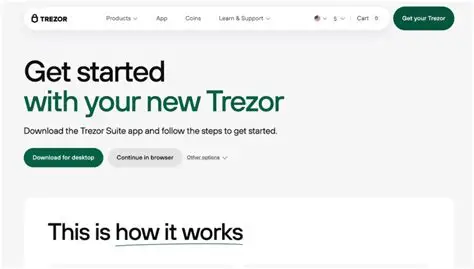
Trezor Suite is the official application used to interact with Trezor hardware wallets. It is available as desktop software and as a browser-based interface. Through Trezor Suite, users can view balances, initiate transactions, manage accounts, and update device firmware.
Each time the device is connected and unlocked, Trezor Suite reads public information from the wallet and displays it to the user. Private keys never leave the device, and all transaction approvals must be confirmed on the Trezor screen.
Trezor Login on Desktop Computers
Desktop access is commonly used for full wallet control and security configuration. Trezor Suite supports major operating systems including Windows, macOS, and Linux.
Desktop login process includes:
Opening Trezor Suite
Connecting the Trezor device via USB
Entering the device PIN
Confirming access on the device screen
Viewing wallet accounts and balances
The login process is completed only after the device is unlocked and verified.
Trezor Login Through Browser Interface
Trezor also offers a browser-based interface that allows users to access their wallets without installing desktop software. This method requires a compatible browser and proper permissions.
Browser login steps:
Visit the official Trezor interface
Connect the hardware wallet
Grant browser access to the device
Enter the PIN
Confirm access on the device
Despite being browser-based, security remains intact because private keys never leave the hardware wallet.
Role of the Trezor PIN
The PIN is a critical part of Trezor login security. It protects the device if it is lost or stolen and prevents unauthorized access.
Important details about the PIN:
Required each time the device is connected
Entered using a randomized keypad
Limited attempts before device reset
Cannot be bypassed
A strong PIN significantly increases protection against physical attacks.
Recovery Seed and Account Restoration
During initial setup, Trezor generates a recovery seed consisting of a sequence of words. This recovery seed acts as a complete backup of the wallet.
Key points:
The recovery seed is not used for daily login
It is required if the device is lost, damaged, or reset
Anyone with the seed can access the wallet
The recovery seed must be stored offline and kept private at all times.
Passphrase and Hidden Wallet Access
Trezor offers an advanced security option called passphrase protection. When enabled, users must enter a passphrase during login in addition to unlocking the device.
How passphrases work:
The same recovery seed can generate multiple wallets
Each passphrase opens a different wallet
Funds are inaccessible without the correct passphrase
This feature adds an extra layer of protection and privacy.
No Email or Password-Based Accounts
Trezor does not require users to create accounts or log in using email credentials. There is no password recovery or account management system.
Benefits include:
No centralized data storage
No phishing targets related to accounts
No dependency on third-party authentication
This design ensures that wallet access is fully user-controlled.
Common Trezor Login Problems
Users may occasionally experience login-related issues, often caused by connection or software problems.
Typical issues include:
Device not recognized by the computer
Incorrect PIN entries
Browser compatibility errors
Outdated firmware
These issues can usually be resolved by restarting the software, updating firmware, changing USB ports, or using the desktop application.
Security Guidelines for Trezor Login
To maintain a secure login experience, users should follow recommended practices:
Buy Trezor devices from official sellers
Inspect packaging for tampering
Use a strong PIN
Enable passphrase protection if needed
Never share recovery seed or PIN
Keep software and firmware updated
Trezor support will never request sensitive information.
Using Trezor on Multiple Computers
Trezor hardware wallets can be connected to multiple computers without any issues. There is no limit on usage locations.
This allows users to:
Access funds from different systems
Use different operating environments
Maintain security through physical authentication
Each login still requires the device and PIN.
Privacy and Trezor Login
Trezor does not collect personal user information. Wallet creation and access are anonymous by default.
Privacy advantages:
No identity verification
No user profiles
No email tracking
This makes Trezor suitable for users who value privacy and independence.
Trezor Login vs Exchange Login
Trezor login differs significantly from logging into centralized platforms.
Exchange login:
Requires email and password
Assets controlled by the exchange
Accounts can be restricted
Trezor login:
No email or account
User controls private keys
Physical confirmation required
This distinction highlights the value of self-custody.
Firmware Updates and Login Process
Firmware updates may require users to reconnect and verify their device. Updates improve security and functionality.
Before updating:
Ensure the recovery seed is backed up
Follow on-screen instructions
Confirm actions on the device
Updates do not change wallet ownership.
Final Thoughts
Trezor login is a hardware-based access system built to protect cryptocurrency ownership through physical verification and cryptographic security. By removing reliance on traditional online accounts, Trezor ensures that users remain in full control of their digital assets.
Understanding how Trezor login works allows users to manage cryptocurrencies safely, reduce security risks, and maintain privacy. Trezor represents a trusted self-custody solution for long-term digital asset protection.