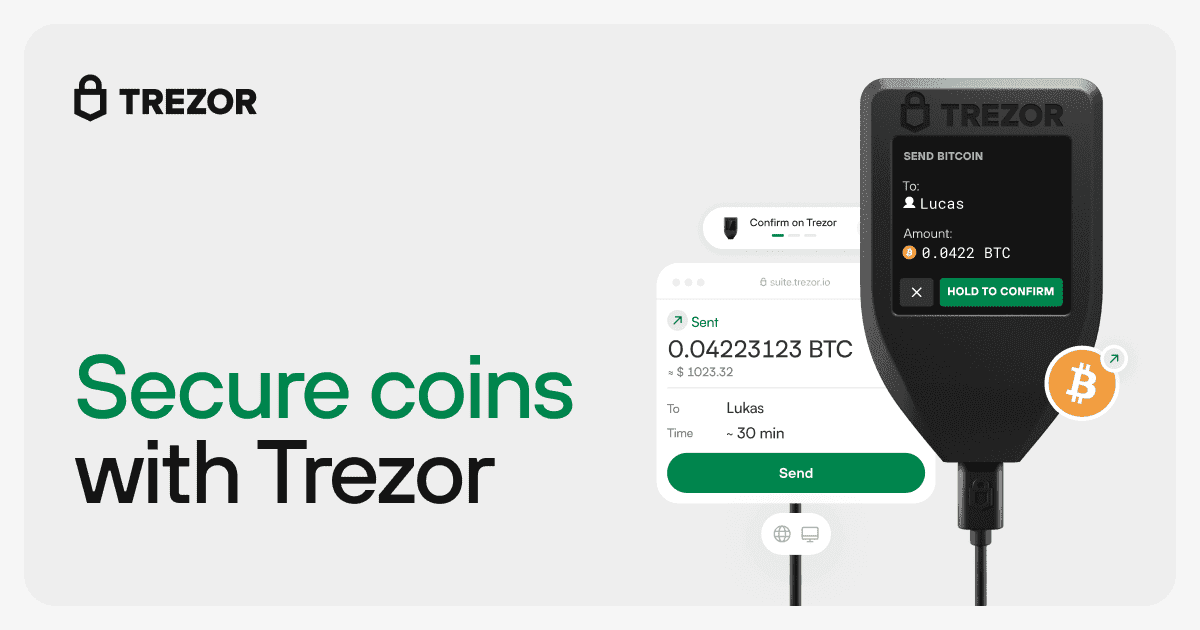
Trezor Login: Secure Wallet Access and User Control Explained
Trezor login refers to the method used to access cryptocurrency wallets through a Trezor hardware wallet. Instead of relying on traditional online login systems, Trezor uses a physical security model where access is granted only when the hardware device is present and unlocked. This approach gives users complete control over their digital assets while minimizing exposure to online threats.
This content explains the Trezor login process, how users access wallets using official tools, the role of security features, and how to maintain safe and reliable access.
Overview of the Trezor Hardware Wallet
Trezor is a hardware wallet designed to securely store private keys offline. It allows users to interact with blockchain networks without exposing sensitive information to internet-connected devices. The wallet supports multiple cryptocurrencies and provides tools for sending, receiving, and managing assets securely.
The Trezor login process is built around the idea that ownership should be verified through physical possession of the device rather than digital credentials.
What Trezor Login Actually Means
In the context of Trezor, login does not mean signing in with an email address or password. There is no centralized account or user profile. Instead, login refers to unlocking the Trezor device and granting access through compatible software.
Trezor login involves:
Connecting the hardware wallet
Unlocking it with a PIN
Confirming actions on the device screen
This system prevents unauthorized access even if the computer being used is compromised.
Trezor Suite and Wallet Interaction
Trezor Suite is the official interface for managing assets stored on a Trezor device. It is available as a desktop application and as a browser-based interface. Through Trezor Suite, users can view balances, manage accounts, send and receive cryptocurrencies, adjust security settings, and update firmware.
Trezor Suite does not store private keys. It only communicates with the hardware wallet, which performs all cryptographic operations internally.
Logging in to Trezor on Desktop
Desktop access is commonly used for full wallet management and advanced settings. Trezor Suite supports major operating systems such as Windows, macOS, and Linux.
Desktop login steps:
Open Trezor Suite
Connect the Trezor device using a USB cable
Unlock the device by entering the PIN
Confirm access on the device
Access wallet information and features
Each time the device is disconnected, access is automatically revoked.
Logging in to Trezor via Web Browser
Trezor can also be accessed using a supported web browser. This option allows users to manage their wallets without installing desktop software.
Web login process:
Open the official Trezor web interface
Connect the hardware wallet
Allow browser permissions
Enter the device PIN
Confirm access on the Trezor screen
Security remains unchanged because private keys never leave the device.
The Role of the Device PIN
The PIN is a core element of Trezor login security. It protects the hardware wallet from unauthorized physical access.
Important PIN features:
Required every time the device is connected
Entered using a randomized keypad layout
Limited number of attempts allowed
Automatic device reset after repeated failures
Choosing a strong PIN is essential for protecting assets if the device is lost or stolen.
Recovery Seed and Emergency Access
During initial setup, Trezor generates a recovery seed consisting of a series of words. This recovery seed is the master backup of the wallet.
Key recovery seed facts:
It is not used during normal login
It restores access if the device is damaged or lost
It provides full control over wallet funds
The recovery seed should be stored offline and never shared.
Passphrase Feature and Hidden Wallets
Trezor offers an optional passphrase feature that adds an extra layer of security. When enabled, a passphrase must be entered during login in addition to unlocking the device.
Passphrase login allows:
Creation of hidden wallets
Additional protection against unauthorized access
Separation of funds under the same recovery seed
Without the correct passphrase, the associated wallet remains inaccessible.
No Online Accounts or Email Login
Trezor does not use account-based authentication. Users do not register, sign in, or recover accounts using email addresses.
This design provides:
Reduced attack surface
No centralized user database
No password reset vulnerabilities
Full user ownership
Wallet access is entirely dependent on the hardware device and recovery information.
Common Trezor Login Issues
Login problems are typically related to hardware connections or software settings rather than security breaches.
Common issues include:
Device not recognized by the computer
Incorrect PIN entries
USB or cable problems
Browser permission errors
Outdated firmware
Most issues can be resolved by reconnecting the device, restarting the software, or updating firmware.
Best Practices for Secure Trezor Login
To ensure safe and reliable access, users should follow these practices:
Purchase Trezor devices from official sources
Inspect packaging for tampering
Use a strong and unique PIN
Enable passphrase protection if needed
Keep the recovery seed offline
Update firmware regularly
Verify transaction details on the device screen
Trezor will never ask for recovery seeds or PINs.
Using Trezor on Multiple Computers
A Trezor hardware wallet can be used on any compatible computer. There are no restrictions on the number of devices used.
Benefits include:
Access from multiple locations
No need for account syncing
Consistent security across systems
Each login still requires physical device verification.
Privacy and User Anonymity
Trezor login does not require identity verification or personal details. Wallets are created and accessed without linking to user identities.
Privacy advantages:
No email tracking
No user profiles
No centralized data storage
This makes Trezor attractive to users who prioritize privacy.
Trezor Login vs Centralized Platform Login
Trezor login differs significantly from logging into exchanges or online wallets.
Centralized platforms:
Require email and passwords
Hold custody of user funds
Can freeze or restrict accounts
Trezor login:
Requires no email or password
User controls private keys
Physical confirmation required
This difference highlights the value of self-custody.
Firmware Updates and Login Continuity
Firmware updates may require reconnecting and re-authenticating the device. These updates improve security and compatibility.
Before updating:
Ensure the recovery seed is backed up
Follow official instructions
Confirm actions on the device
Updates do not change wallet ownership or access rights.
Final Overview
Trezor login is a hardware-based access system designed to keep cryptocurrency ownership secure and user-controlled. By eliminating online credentials and centralized accounts, Trezor reduces security risks and improves privacy.
Understanding how Trezor login works allows users to manage their digital assets confidently while maintaining strong protection against online and physical threats. Trezor remains a trusted solution for long-term cryptocurrency self-custody.